- Have any Query?
- acharyaviyatprajna@gmail.com


ଅନ୍ନବ୍ରହ୍ମ
October 19, 2026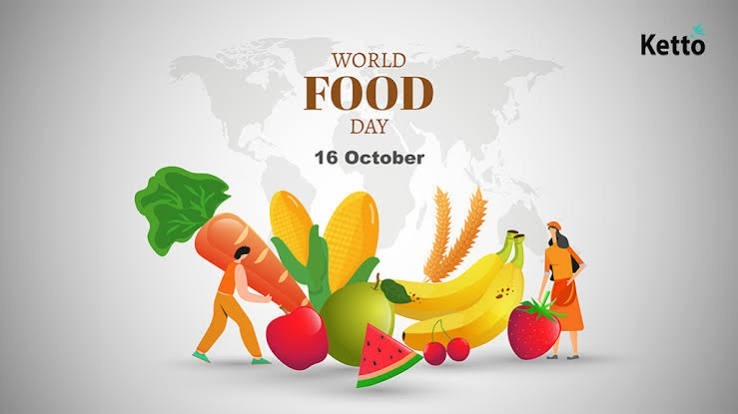
Dr Viyatprajna Acharya
Professor, Biochemistry
Of late, I have been travelling to different cities for official assignments—as an external examiner or a laboratory assessor—and, naturally, I end up staying in different hotels. Usually, it is a single occupancy room, and quite often I have to order food to my room.
The problem is that I eat very little. So, despite my best intentions, a substantial portion of the food often remains untouched. I usually cover it and keep it outside the room, hoping that someone from housekeeping or the hotel staff may take it and put it to some appropriate use.
Since childhood, most of us in India have been taught to regard food as Anna Brahma—to receive it with gratitude, eat it respectfully and never waste it. In our homes, hardly a morsel of food finds its way into the dustbin, except perhaps seasoning material or the inedible parts of vegetables and other food items.
So, however much I try I fail to finish the portion not more than 1/3rd of it. But unfortunately, my stomach does not suddenly acquire the siddhi of Mahima—the ability to expand its volume at will! 😄
And then begins my dilemma.
I carefully pack the untouched food and try to hand it over to the hotel staff or housekeeping. But I am always left wondering—what actually happens to it?
Is it permitted under the hotel’s rules? Does someone really consume it? Is it reused? Or does it simply end up in the trash?
This bothers me more than I would like to admit.
In fact, whenever I fill up a hotel feedback form, I make it a point to suggest that hotels offer small portions, half meals or mini-meals, especially for single occupants. It would be such a simple intervention, yet potentially a meaningful one in reducing food wastage.
We speak so much about sustainability. We worry about the increasing pressure on farmers, excessive use of fertilisers and pesticides, depletion of natural resources, environmental pollution and the consequent impact on human health.
And yet, here I am, staring at three-fourths of a bowl of perfectly good, exotic food that I simply cannot eat.
Perhaps sustainability does not always require grand initiatives. Sometimes, it may begin with something as simple as serving the right quantity on the plate.
I sincerely hope this little thought reaches the hoteliers someday—and that some meaningful reform follows.
Because food is not merely a commodity. It is Anna Brahma.
= Shubhamstu =
Warning: Trying to access array offset on null in /home/u480314390/domains/drvpacharya.com/public_html/wp-content/themes/themes/betheme/includes/content-single.php on line 259